

Ceiling and Pendant Lamps
Ceiling lights are lights that are directly fixed to the ceiling and used to illuminate a space or a particular area of it. With the correct ceiling light, you can improve your room's decoration without sacrificing any floor area, regardless of how small or large it is. The appropriate ceiling lighting can help brighten your spaces without taking up floor space. Today, ceiling lights are used for more than just the bare necessities; they are utilized to provide a distinctive touch to your home. Different types of ceiling lights should be used in various rooms, such as the living room, bedroom, and more. For example, to enhance the tranquil atmosphere in the bedroom, use recessed ceiling lights.


Benefits Of Ceiling Lamps
We offer a variety of transmission components
Improved Ambiance
The installation of ceiling lights can dramatically improve the ambiance of any room. By providing an even, widespread light source, ceiling lights can create a soft, cozy atmosphere perfect for entertaining or relaxing. Ceiling lights can also provide a warm, inviting glow when dimmed, making them ideal for creating an intimate and romantic atmosphere. Additionally, ceiling lights can be used to highlight certain features of a room, such as art or furniture, providing a more attractive and inviting visual appeal.
Increased Safety and Security
Ceiling lights can also provide increased safety and security in a home. By providing an even, widespread light source throughout a room, ceiling lights can help reduce the chances of tripping or stumbling, making them a great addition to any home. Additionally, ceiling lights can help deter potential intruders, as they provide an illuminated area that can be seen from outside the home.
Energy Efficiency
Ceiling lights are also incredibly energy efficient, making them a great choice for those looking to cut down on their energy bills. By using LED or CFL bulbs, ceiling lights can provide a bright, attractive light source while consuming significantly less energy than traditional light bulbs. Additionally, LED and CFL bulbs last much longer than traditional light bulbs, meaning they require less frequent replacements, further reducing energy costs.
Durability
Ceiling lights are also incredibly durable, making them a great choice for any home. By using materials such as metal or plastic, ceiling lights can withstand the test of time, providing a long-lasting and reliable light source. Additionally, ceiling lights are resistant to the elements, making them ideal for outdoor areas such as patios and decks.
Why choose us
We support you in the design of your product and provide you with the best advice to enhance and structure your offer.
Choosing Blackwood means the possibility of selecting products from our catalogue, customizing our creations, or having your own designs manufactured in compliance with standards and confidentiality.
With over 20 years of international experience, Blackwood benefits from strong expertise and historical know-how, thanks to the integration of design and marketing skills for product development and design.
We always use natural wood and logs as materials, without any splicing or chemical processing. This ensures that our products are natural, environment-friendly, and of high quality. Give your home the best touch and atmosphere.
What are different Ceiling Lamps called
Chandeliers
Chandeliers are decorative light fixtures that hang from the ceiling, usually featuring multiple arms or branches with light sources (bulbs). They are often used as focal points in dining rooms, entryways, or living spaces, adding elegance and style to the room.
Pendant Lights
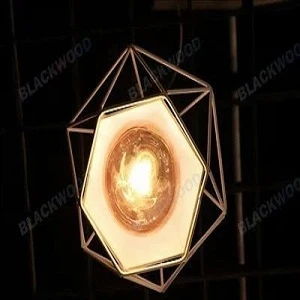
Pendant lights hang down from the ceiling using a single cord, chain, or rod. They come in a range of styles, sizes, and materials, offering versatile lighting options for different spaces such as kitchens, dining areas, and bedrooms.
Flush Mount Lights
Flush mount lights are mounted directly against the ceiling, without any gap between the fixture and the ceiling surface. They provide ambient or general lighting and are suitable for rooms with low ceilings or where a sleek and minimalistic look is desired.
Semi-Flush Mount Lights
Semi-flush mount lights are similar to flush mount lights but hang slightly lower from the ceiling, typically with a short stem or rod. They offer a compromise between flush mount and pendant lights, providing a bit more visual interest while still maintaining a relatively close position to the ceiling.
Recessed Lights (Can Lights or Downlights)
Recessed lights are installed into the ceiling, with the light fixture itself hidden within the ceiling space. They create a seamless and minimalist look and are commonly used for ambient or task lighting in various rooms throughout the home.
Track Lights
Track lights consist of multiple light fixtures mounted on a track that can be adjusted and repositioned along the track. They are flexible and versatile, allowing for targeted illumination of specific areas or objects such as artwork, shelves, or countertops.
Ceiling Fans with Lights
Ceiling fans with lights combine the functionality of a ceiling fan for air circulation with built-in light fixtures. They are practical for rooms where both cooling and lighting are needed, such as bedrooms, living rooms, or outdoor spaces like porches or patios.
Spotlights
Spotlights are directional lights that can be mounted on the ceiling to highlight specific areas, objects, or architectural features. They are commonly used for accent lighting in galleries, museums, retail stores, or residential spaces.
Track Lighting Systems
Track lighting systems consist of multiple track heads mounted on a track, allowing for adjustable and customizable lighting arrangements. They are popular in modern interiors and commercial settings for their flexibility and modern aesthetic.
Linear Lights (Linear Suspended Lights or Linear Pendants)
Linear lights are elongated fixtures that hang from the ceiling in a linear or rectangular shape. They are often used for task lighting over kitchen islands, dining tables, or office desks, providing even illumination along the length of the fixture.
Lighting is one of the most important elements in home design. It’s also one of the easiest things to update when you decide that your decor has seen better days. Lighting fixtures come in all shapes and sizes, with a wide range of materials and finishes. Let’s take a look at some common choices:
Metal
There is a variety of metals that can be used in the construction of lighting fixtures. Metal has been used since the beginning of people to make tools and other useful items. The vast array of metals and alloys available today allows for a large number of combinations and possibilities. When designing a lighting fixture, it is important to consider how each material will perform under different conditions.
1. Aluminum
Aluminum is a lightweight metal that conducts heat well and has excellent corrosion resistance properties. It is also relatively inexpensive compared with other metals so it is often used in applications where there are large amounts of sunlight exposure such as outdoor lighting fixtures or inside wall sconces that illuminate hallways or staircases. Aluminum is also very easy to work with and can be shaped into many different forms.
2. Copper
Copper is another popular metal used to make lighting fixtures because it has a beautiful color that looks great in any setting. Copper is a soft metal and it is very malleable and ductile, which means it can be easily shaped into different forms without breaking or cracking. This makes copper ideal for use as a material for making lighting fixtures because it can be bent into shapes that would otherwise be impossible with other types of materials like plastic or glass.
3. Iron
Iron is another metal that is used frequently in making lighting fixtures because it has excellent strength characteristics which makes it great for holding up heavy objects like lamps or chandeliers. Iron also tends to rust easily so it must be protected from moisture by painting or plating it with another material such as chrome or nickel plating which protects the iron from corrosion while still allowing light through the surface of the fixture so it appears transparent when illuminated by an electric bulb (or another light source).
4. Stainless Steel
Stainless steel is a metal alloy that contains chromium and nickel. Its durability, strength, and resistance to corrosion make it the perfect choice for making lighting fixtures. This metal has a high-luster finish that makes it ideal for creating aesthetically pleasing lighting designs. The high-luster finish of stainless steel also allows it to reflect light beautifully, which makes it a great option for illuminating rooms with natural light. Stainless steel is an excellent choice when you want something long-lasting that will not rust or corrode over time. It also has a good weight to it, which makes it feel substantial in your hands.
Glass
Glass is a material that is used to make lighting fixtures because it’s durable, can be clear or colored in any shape, and comes in a variety of styles such as blown glass, led glass, stained glass, and etched glass.
When people think of glass fixtures they usually picture clear or white shades with some sort of pattern on them like flowers or squares but there are many other options available now including colored bottles filled with colored water, stained pieces where the color seeps into the entire piece rather than being painted onto it and etched pieces where you cut through the surface using acid to reveal your own design on top of whatever color base layer you started with.
Ceramic
Ceramics is a natural, non-metallic material. It’s used in many products like tableware, kitchenware, and decorative items. Ceramic has good thermal shock resistance which means that it won’t crack or shatter when it is exposed to sudden changes in temperature. It also has excellent thermal conductivity so the heat is spread out evenly around the surface of a ceramic light fixture instead of concentrated in one place like glass would do. Ceramic can withstand higher operating temperatures than other materials such as quartz glass so it’s best for lights that operate above room temperatures such as halogen and magnetic ballasts for fluorescent lamps used in commercial applications like warehouses and grocery stores where high heat levels are common but low voltage systems are required (like LED).
Crystal
Crystal is a type of glass that is made from a combination of sand and other minerals. The most common types of crystal are lead glass, flint glass, and crystal glass. The main difference between each of these types of crystal is the amount of lead oxide in the mixture.
Plastic
Plastic is a common material for lighting fixtures. It’s also an affordable one, which makes it easy to mold into different shapes. This versatility allows you to get creative with your designs and create custom light fixtures that fit your needs exactly. Plastics are available in many colors and can be used as the main body of a fixture or just as an accent piece on top of other materials like metal or glass.
Wood
Wood is a renewable resource, and is therefore a good choice for anyone looking to minimize their environmental impact. It’s also an excellent insulator, which means that it will keep you cool in the summer and warm in the winter.
Remove The Old Fixture
Confirm that the power is off by turning the wall switch off and on. The fixture should not light up. Remove the bulb(s) and detach the old fixture from the box. The type shown attaches with a nut and threaded post.
Detach The Wires
Use a bent piece of coat hanger to hang the fixture from the box in order to support it. Unscrew the wire nuts and detach the wire connections.
Detach The Strap
Use a screwdriver to remove the old strap from the box.
Strip The Wires
With diagonal cutting pliers, nip off the bit of bare wire used for the connection. Strip off 3/4 in. of insulation. Then install the new strap that comes with the replacement fixture.
Connect With Wire Nuts
To avoid straining the connections, temporarily hang the new fixture from the box with the bent coat hanger. Beginning with the uninsulated or green insulated copper grounds, hold the stripped ends side by side and twist on a wire nut, turning it clockwise. Connect the white wire to the white wire and the black to the black.
Secure The Connections
Wire nuts twist the wires around each other while securing them. Give each wire nut a pull to confirm that the connection is tight. Wrap a couple of inches of electrical tape around the wire and nut to secure the connection.
Install The Fixture
This fixture uses screws for mounting to the box. Some use a threaded post as shown in Step 1. Start the mounting screws in the strap, position the fixture, and tighten the mounting screws with a screwdriver.
Install The Bulbs And Globe
Check the fixture base to determine the maximum wattage bulb that can be installed. After screwing in the proper bulb, restore power and test.
Components of Ceiling Lamps
-
Shade The shade is usually the first thing you notice about a lighting fixture. Shades help diffuse the light and softly disperse it throughout the room. Shades can be clear, opaque or translucent.
-
Canopy The canopy may not be the very first part of a lighting fixture that you notice, but it’s certainly capable of grabbing your attention. It’s the part of the fixture mounted to the wall or ceiling that covers the electrical box.
-
Chain or Rod A chain or rod connects the canopy of your lighting fixture to the socket and fitter. Sometimes, sleek cords are used instead, especially in the case of contemporary lights. You can adjust the hanging height of a light by using differing heights of chain and cord or by using different amounts of downrods. If you need to swag your light fixture due to space constraints, you need to look for a fixture that uses chain.
-
Socket The socket is the part of the fixture where the bulb is installed. It’s often referred to when a person needs to change a lightbulb, so it’s a fairly common term.
-
Bulb You may think that a light bulb is just a light bulb, but there are different types of bulbs with different opacities, wattages, lumens and functionalities. The bulb is essential to the process of selecting living room, bedroom and dining room chandeliers, as it determines how the room is lit and can have an impact on the type of chandelier you purchase.
How to Size Ceiling Lights Correctly
Along with choosing the right type of fixture, it helps to know how to pick the right size ceiling light. If a fixture is too big for the room it is in, it can easily overwhelm the space. People can bump their heads on pendants and chandeliers that hang too low or that are otherwise too big. Alternatively, a fixture that is too small may not provide enough illumination.
When choosing the size of a ceiling light, there are three measurements to keep in mind. Pay attention to the scale of the light, its clearance, and its spacing:
Scale: Scale compares how wide and tall a light fixture is to the width and height of the room. One way to calculate the appropriate scale of a light fixture is to measure the width and length of the room’s walls, then convert that measurement to inches. A light fixture that measures 24 inches wide will be the right scale for a room with 12-foot walls. To find the right height for the fixture, measure the height of the room, multiply the result by 2.5 and convert that measurement to inches. A light fixture that is about 24 inches tall would not overwhelm a room with 9-foot ceilings.
Clearance: Clearance is how much space remains between the bottom of the light and the rest of the room. If a ceiling pendant or chandelier hangs too low, people may hit their heads on it as they walk underneath. The right clearance can vary based on what is underneath the light fixture or how high the ceilings are. Fixtures that hang above tables or countertops can generally sit lower than light fixtures that don’t have anything underneath them.
Spacing: Spacing determines how much room is between fixtures and other furnishings in a room. In some cases, spacing can override scale. For example, if you are hanging a pendant over a dining table, you can use the size of the dining table to determine the most appropriate size of the light fixture, rather than the size of the room as a whole. If you are hanging multiple lights over a piece of furniture, spacing them evenly helps to create a uniform look.
How to Clean Light Ceiling Lamps
Disconnect power
Before touching the light bulbs, consider switching off the power from the wall or, most preferably, the circuit breaker. If the lights were on for a while before disconnecting the power, allow some time for the temperatures to drop before cleaning.
Assemble necessary cleaning supplies
There are a few supplies that you need to equip yourself with when cleaning light fixtures. Have a screwdriver nearby if your fixture requires you to disassemble it before cleaning. Other items that may come in handy include soft, lint-free rags or microfiber cloths, a small brush, warm and soapy water, and a soft dry cloth. If your fixture is made of glass components, you might consider adding an effective glass cleaner. Microfiber cloths are always recommended because they are gentle on delicate surfaces and work perfectly when it comes to capturing dust.
Remove dust
Vacuum the dusty lamp shades and wipe off the glass light fixtures before detaching them. When cleaning, start from the top downward to avoid repetitive tasks. Use a stable and adjustable ladder to access the light fixtures. Chandeliers and other decorative elements can be quite challenging to clean. Take your time with a soft-bristle brush to drive out the dust. Always be cautious when handling delicate fixtures to avoid accidental breakage and damage.
Disassemble if necessary
Light fixtures with removable parts like fabric shades or glass components need to be disassembled carefully to allow for thorough cleaning. Use a screwdriver to unwind the screws if you can access them. Remove the shades of sconces, table lamps, or ceiling lights and clean them as per the manufacturer’s instructions. Detachable glass bulbs and their covers can be twisted anticlockwise and cleaned separately. Chandeliers can be quite challenging to detach because of their intricate designs. Take note of how you unwind them to make it easier to assemble later.
Wash the light covers
If the crystals of a chandelier are detachable, you need to pay attention to how you remove them to make things easier during reassembly. Dampen a microfiber cloth in warm, soapy water and clean each piece before drying them to avoid leaving water marks. When cleaning flush mount light fixtures and their covers, always leave them to dry completely before reinstalling. All types of light fixtures can be wiped down using a lint-free rag. Just be cautious not to exert lots of pressure as it could cause them to shatter. Also, don’t immerse bulbs in water as they could get inside the electrical components. Keep in mind that bulbs stained with stubborn dirt may require replacing.
Reassemble and test the lights
After the light bulbs and covers are dry, they need to be reassembled and tested. Always stay organized when cleaning by arranging the pieces in order to make things easier for you during assembly. Once you have put everything back in place, test their functionality by switching on the lights. Turn them on from the wall or circuit breaker. In case they don’t light up, confirm that you have secured all connections. Lights that flicker or stay dim indicate an issue with the bulb or ballast. If this problem keeps persisting after replacing the bulbs, consider bringing in a professional to fix the issue.
Certifications


Our Factory


FAQ
We're professional ceiling and pendant lamps manufacturers and suppliers in China, specialized in providing high quality products with low price. We warmly welcome you to buy discount ceiling and pendant lamps from our factory. For quotation, contact us now.
rustic wooden ceiling lights, Wooden Pendant Lamp, cement pendant light