

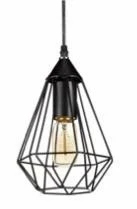
A Black Shade Pendant Lamp is a fixture that is suspended from the ceiling by a cord, chain or metal rod. Less bulky and often more affordable than chandeliers, pendant lighting has become a popular choice among architects across diverse typologies. In the majority of instances, pendant lights are harnessed in one of two ways - in clusters, hung in a decorative series, or as a stand-alone light fixture that serves as the focal point of a room.
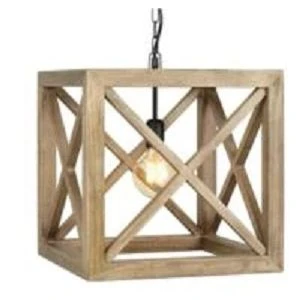
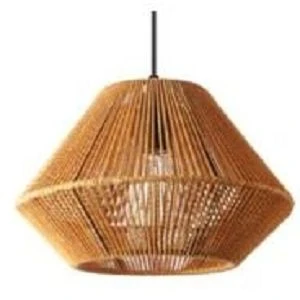

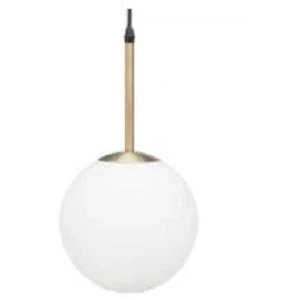

Advantages of Black Shade Pendant Lamp
Size
Black pendant lights come in various sizes to suit different spaces and lighting needs. Larger fixtures are ideal for illuminating spacious areas like dining rooms or foyers, while smaller ones are suitable for more compact spaces such as kitchens or breakfast nooks.
Finishes
In addition to their black finish and color, these pendant lights may also feature other materials such as metal, glass, or wood accents, adding texture and visual interest to the fixture.
Styles
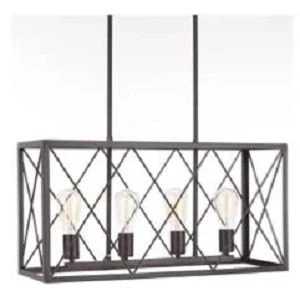
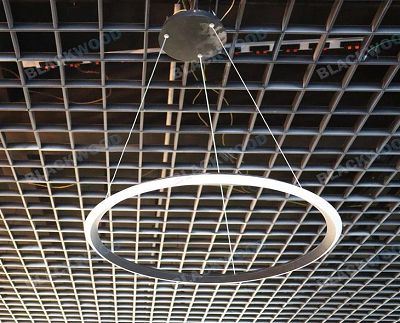
Black pendants are available in a wide range of styles, including minimalist designs with clean lines, industrial-inspired fixtures with exposed bulbs and metal shades, and more intricate options with decorative elements like geometric patterns or intricate filigree.
Usage
Black pendant lights are versatile fixtures that can be used in various settings, including residential spaces like living rooms, bedrooms, and kitchens, as well as commercial environments such as restaurants, cafes, and offices.
Why choose us
We support you in the design of your product and provide you with the best advice to enhance and structure your offer.
Choosing Blackwood means the possibility of selecting products from our catalogue, customizing our creations, or having your own designs manufactured in compliance with standards and confidentiality.
With over 20 years of international experience, Blackwood benefits from strong expertise and historical know-how, thanks to the integration of design and marketing skills for product development and design.
We always use natural wood and logs as materials, without any splicing or chemical processing. This ensures that our products are natural, environment-friendly, and of high quality. Give your home the best touch and atmosphere.
Types Of Black Shade Pendant Lamp
Drum Pendant
Drum-style pendant lights are named for their shades, which resemble drums - with cloth or another material stretched over a circular metal frame. These fixtures can be used for either task or ambient lighting, depending on whether the bottom of the shade is open or closed. This handsome pendant style comes in a large range of colors and sizes to choose from, or you can always make your own. Bear in mind that darker-colored shades will let less light shine through.
Globe Pendant
Whether you call them globes, spheres, or orbs, this type of pendant is characterized by its round shape. This luminous pendant style really picked up steam in the late 1950s and '60s, so if you're going for a midcentury look, look no further. You can hang a few of them all at the same height (we'll talk more about hanging multiple pendants later). Or, if you're feeling really adventurous, try hanging a group of these beauties together to make a bold statement. For the most dramatic effect, consider adding a little variety by alternating the drop length.
Bowl Pendant
Bowls are probably the most ubiquitous type of pendant light because of their simple yet functional design. Most designated task lamps in the pendant family are of the bowl variety. Occasionally, however, you might see an inverted bowl used for pendant lighting, which casts light upward rather than downward. The good news: Whatever shape, size, color, or texture you're looking for in a light fixture, you'll have no problem finding a bowl-style pendant to suit your fancy.
Exposed Bulb Pendant
The exposed bulb pendant trend hit hard a few years ago and doesn't seem to be slowing down anytime soon. Consider this fixture for minimalist, industrial, or even rustic decor. These pendants are budget-friendly since basically all you need is the fixture and a bulb. Their minimal design also makes them a great DIY project. With no shade to speak of, these little guys are great for both ambient and task lighting. Available in a variety of shapes, sizes, and colors, exposed bulb pendants are far from boring.
Multiple Pendants
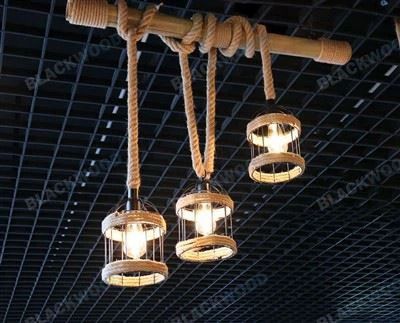
By hanging multiple pendant lights, you can essentially create your own lighting installation, like the midcentury globe configuration mentioned earlier. Artistic arrangements of multiple pendants look especially snazzy in foyers, centered over dining tables, or above the kitchen island. When hanging multiple light fixtures, the goal is always balance. This holds particularly true for kitchen islands (along with any other task-oriented space that benefits from an even distribution of lighting).
Mini Pendant
There's not much mystery here. As advertised, mini pendants are smaller versions of your standard pendant. The "mini" can apply to the size of the fixture, the light bulb, or the drop length. Individually, these are used for task lighting since they're small, tightly focused sources of light. However, mini pendants are also frequently used in multiples, evenly spaced in a straight line or clustered together in a group, providing ambient overhead lighting.
Abstract Pendant
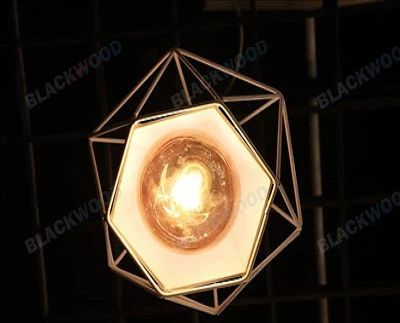
Lighting designers constantly challenge themselves to design new and exciting pendant lights. Every material capable of safely housing a lightbulb and being hung from the ceiling has either been or will one day be molded into a unique pendant light. Depending on the fixture, an abstract pendant's unique construction may not provide the best illumination for task-related areas. Rather, consider this option for more decorative ambient lighting. This type of ceiling light is another good option for hallways and foyers, or any other room where it can be the center of attention - like an artistic light installation hanging from your ceiling.
6 Top Considerations When Choosing Black Shade Pendant Lamps for Your Home
Before buying pendant lights, be clear on the role you want them to play. Modern pendant lighting can serve different purposes: decorative, ambient, task, and accent. It is crucial to understand these functionalities to guide you when selecting your pendant lighting. Ambient lighting gently lights up the entire room, while task lights illuminate a targeted area to ensure that you get enough lighting. On the other hand, accent lighting focuses on particular design features like art pieces. Decorative pendant lighting is an excellent option if you already have adequate lighting for the spaces.
How many types of pendant lighting do you know? If you're familiar with the different pendant lights on the market, you're better placed to know which design will suit a specific room. The common types of pendant lights include shades, linear, and multi-arm pendant lights. Shade pendant lights comprise a bulb or glass shade used on the globe for exposure. You can have this type of lighting in your living room or dining hall to create a dramatic effect. The linear pendant lights, on the other hand, are long and thin.
Pendant lights come in different sizes. The choices at your disposal are relatively abundant, and it is crucial to choose the right size for the space where you'll be installing the lighting. Your pendant light size will depend on the bench's size if it's task lighting or the room size for ambient lighting. If you want to have the light as the focal point, go for a large pendant. Alternatively, you can cluster small pendants together to make them appear as one large pendant.
Among the modern bedroom lighting ideas that you might want to consider, pendant lamps are a great option. With this kind of light, you can hang them next to each other for better illumination and appeal. However, you might want to space your pendants evenly if your room needs overall lighting. Clustering your pendant lights is also another great technique that you could try. This approach enhances lighting in areas such as stairways. For your kitchen pendant lighting, the positioning might be quite different depending on the places you want to illuminate.
Habitable rooms often have a ceiling height of at least 7 feet. The ceiling height is a factor that you can't afford to ignore when shopping for pendant lights. The last thing you want is to have to tell anyone visiting your home to mind their head! If you're installing lights in an open space, have a 6.89 feet clearance to allow easy walking across the rooms. Clearance is how low the pendants hang from your ceiling. You can have an expert take the appropriate measurements to ensure that you have the pendant lights installed correctly.
Pendant lights have different shade materials. The type of shade you choose will influence the light emission, which can be either a soft glow or intense lighting. Some of the shade materials to consider for your pendant lighting include stone, wood, fabric, metal, and plastic.
1.Removing the Old Light
Turn off the power to the light using your circuit breaker
Find your home's circuit breaker or fuse box and switch off the power to the room or area of the house where you're installing the light. This protects you from any potential electrical accidents as you work. Not turning off the power before you start working can put you at risk of serious electrical shock.
Unscrew and pull off the old fixture
For most light fixtures, simply unscrew the light's base that's flush against the ceiling with your hands or a screwdriver. Alternatively, unscrew the nut connecting the light to the plate. Then, pull off the fixture to expose the wires and junction box. Get a helper to hold the light while you unscrew it to prevent it from dropping. If you don't have an existing light because you moved into a new construction or recently remodeled house, there might be a cover over the fixture's junction box. In this case, just lift off the cover.
Check that the power is off with a voltmeter
Even though you turned off the circuit breaker, make sure there's no electricity running through the junction box and light fixture's wires before you touch them. Just hold up your voltmeter to the box and wires. If there is power, the voltmeter will beep. If the voltmeter beeps, that likely means you turned off the wrong circuit breaker switch. Go back to the breaker, find the right switch, and turn it off.
Disconnect the black, white, and copper wires from the fixture
Inside your junction box are three wires: a black wire, a white wire, and a bare copper wire. These wires are twisted together with the same colored wires coming from your fixture. Start with the black wire and twist off the small cap, called a wire nut, that holds the junction and fixture wire together. Pull the wires apart. Then, repeat for the white and copper wires. The black wire is the hot wire, which carries electricity to the light, while the white wire, or neutral wire, transfers unused energy back to the power source. The copper wire is the grounding wire for the fixture, which safely discharges any excess electricity. While most light fixtures use black and white wires, your old light and new pendant might have different colored wires. If your light has different colored wires, read the manufacturer's instructions to learn which wire is hot, neutral, and grounding.
Unscrew the metal bracket attached to the junction box
Use a screwdriver to remove the thin metal bracket that bridges across the junction box. Then, remove any remaining parts of the old fixture that are still attached to the ceiling, like the base or trim.
Check that the junction box is screwed into a beam or support
If the electrical junction box is not adequately supported on the ceiling, your light fixture might fall. Look to ensure that the junction box is screwed into a beam or other support system, not just into drywall. If there is not a beam or support to hold your fixture up, do not proceed with the installation. This is likely a building code violation that a handyman or electrician can help you fix.
Ensure the junction box is secured tightly to the ceiling
Pull or wiggle the electrical junction box to check that the screws holding it in place are tight and keeping it secure. If any of the screws are loose, tighten them with a screwdriver.
2.Hanging the Pendant Light
Unpack your new fixture and lay out all the parts
Pull out your fixture and arrange all the parts on your workspace. Most pendant lights come with the fixture and its attached wires, a metal mounting bracket and attached grounding screw, a decorative base, and screws. Like the old light you took down, most pendant lights have three wires: a black or hot wire, a white or neutral wire, and a copper grounding wire. These are typically labeled by the manufacturer. Depending on your pendant, it might come with a decorative rod that you insert the wires through.
Screw the mounting bracket into the junction box
Take the metal mounting bracket and screws that came with your pendant and insert the screws into the holes on either side. Then, lift up the bracket to the junction box and line the screws up with the holes on the edges of the box. Use a screwdriver or drill to tighten the screws and secure the bracket to the junction box. Your pendant light's bracket might screw into the junction box differently. Always follow the manufacturer's instructions when installing your light.
Adjust the height of the pendant if desired
Before you start wiring the fixture to the junction box, hold your pendant to the ceiling to see how low you want it to hang. Most pendants have an adjustable cord that lets you hang the light lower or higher. Look for a screw inside the pendant's base and loosen it with a screwdriver. Then, pull in or extend the cord to adjust the height.
What is the Best Place to Use Pendant Lights
Pendant lights are versatile and can be used in various places throughout your home to add both style and functionality. Here are some of the best places to use pendant lights:
Pendant lights work exceptionally well over kitchen islands or breakfast bars, providing focused task lighting for meal preparation and adding a stylish focal point to the heart of your kitchen.
Hanging a pendant light above the dining table can create an inviting and intimate atmosphere during meals and gatherings, while also accentuating the dining area's decor.
Pendant lights can be used in the living room to complement or replace traditional floor or table lamps. When strategically placed, they can highlight specific areas or objects, such as a coffee table or an art piece.
Pendant lights can make a striking first impression when placed in the entryway or foyer. They provide adequate illumination while setting the tone for the rest of your home's interior.
As an alternative to bedside table lamps, pendant lights can free up space on nightstands and create a modern and minimalist look. They can be hung on either side of the bed for a balanced and symmetrical design.
Pendant lights can illuminate long hallways, providing a guiding path and breaking up the monotonous stretch with a touch of elegance.
Pendant lights can be used in home offices to ensure ample task lighting while keeping the workspace clutter-free and organized.
In the bathroom, pendant lights can be placed above the vanity mirror to provide even and flattering lighting for grooming routines.
Pendant lights designed for outdoor use can add charm and functionality to covered patios, porches, or pergolas, extending the enjoyment of your outdoor living spaces into the evening.
Pendant lights, when used thoughtfully, typically don't make a room look smaller. In fact, pendant lights can create an illusion of spaciousness by drawing the eyes upwards and emphasising vertical space. Opting for transparent or open-style pendants can maintain a sense of openness in a room, as they allow light to pass through without obstructing the view.
However, excessively large or numerous pendant lights in a compact space might overpower the room and potentially make it feel crowded. Properly sized and strategically placed pendant lights can contribute to an open and inviting atmosphere.
The Timeless Appeal of Black Pendant Lights
A black pendant light has such timeless panache that transcends the past, present and future. They are not shackled to a particular era or design trend and fit in every home, whether minimalist, traditional, rustic, modern or anything in between. The spellbinding combination of black and luminous light delivers a captivating allure that will transform even the blandest home. It is a design choice that withstands the test of time and is a long-lasting investment for your home.
One of the hallmarks of a black pendant light is its ability to blend seamlessly with a wide range of interior styles. Whether you have a contemporary open-concept living space or a traditional dining room, these ceiling-mounted lights will find their place in your home's aesthetics. As adaptable as they come, you wouldn't need to overhaul your entire decor to incorporate them.
The first consideration is the purpose the pendant will serve in the space. Pendants can be very versatile in a space, and can actually serve more than one purpose. When selecting, keep a specific purpose in mind and don't get too carried away, and don't stray too far from your initial intention.
Using this list below, what purpose is your pendant going to serve?
General light source, covering everything (Ambient Lighting)
More focused lighting for certain tasks (Task Lighting)
Highlight specific areas of your space (Accent Lighting)
The colour and intensity of the bulb you choose will also influence the effect your lighting has in a space.
Certifications


Our Factory


FAQ
Q: What is the purpose of a pendant lamp?
Q: How do I choose a pendant lamp?
Q: Are pendant lights good for living room?
Q: Do pendant lights make a room look smaller?
Q: Do pendant lights need a chain?
Q: Are pendant lights good for bedrooms?
Q: What is a good size for a pendant light?
Q: What kind of lightbulb do I need for a pendant light?
Q: Are pendant lights hard to install?
Q: How high should a lamp hang above the dining table?
Q: Do pendant lights give enough light in kitchen?
Q: Where is the best place to put pendant lighting in your home?
Q: Should pendant lights be centered over kitchen island?
Q: How far down should a pendant light hang in bedroom?
Q: How do pendant lamps work?
Q: How do I clean my pendant lamp?
Q: What is the difference between pendant lamps and chandeliers?
Q: How do you choose the right pendant lamp?
Q: Can pendant lamps be installed on sloped ceilings?
Q: Can pendant lamps be used as the sole source of lighting in a room?